Optimal Timing for Popcorn Ceiling Service
Timing for popcorn ceiling service depends on various factors including seasonal conditions, indoor climate, and project scope. Optimal periods typically avoid extreme humidity or temperature fluctuations to ensure proper application and removal. Planning during moderate weather can reduce complications such as cracking or adhesion issues.
Spring and fall are generally preferred due to stable temperatures and lower humidity levels, which facilitate better results and faster drying times.
Avoid service during high humidity or extreme cold, as these conditions can affect the adhesion and drying process of popcorn ceiling materials.
Scheduling in advance allows for proper preparation, including addressing any underlying issues such as water damage or structural concerns.
Ensure indoor environments are climate-controlled to maintain consistent temperature and humidity levels during the project.
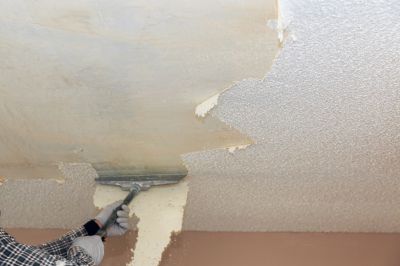
Proper preparation is crucial for successful popcorn ceiling removal or application.
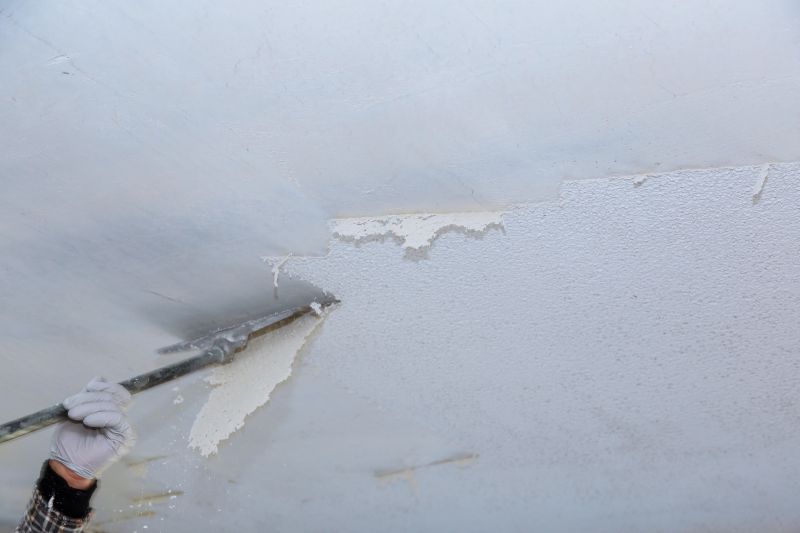
Monitoring indoor humidity and temperature ensures optimal results.
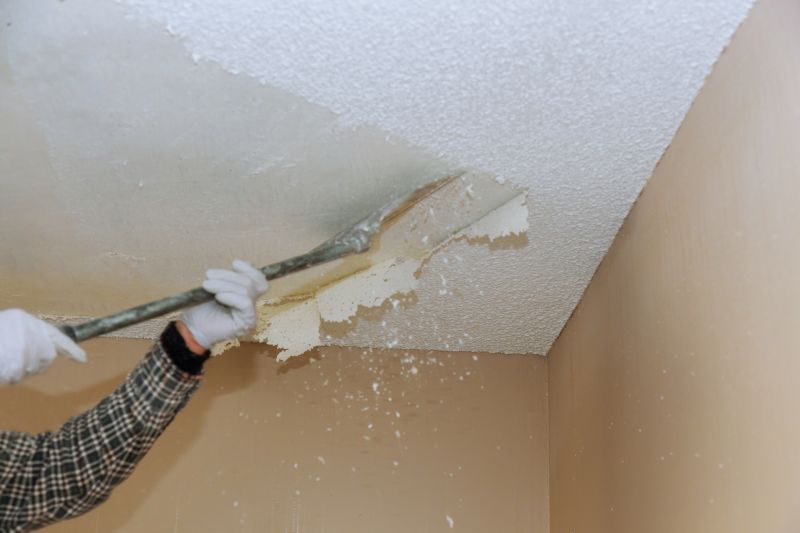
Choosing the right season can impact the quality and durability of popcorn ceiling work.
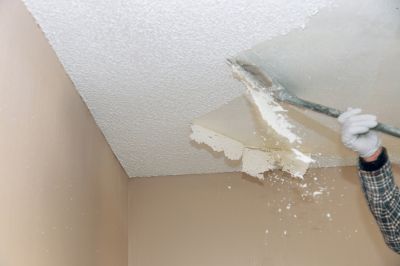
Ways to make Popcorn Ceiling Service work in tight or awkward layouts.
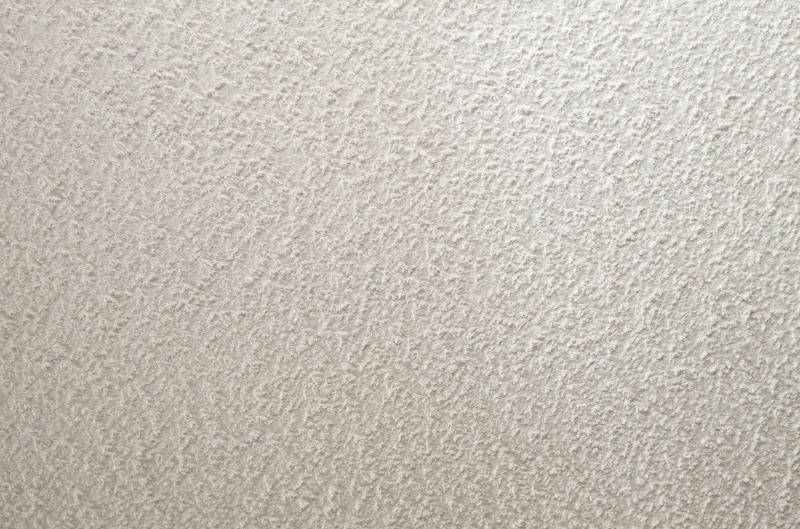
Popular materials for Popcorn Ceiling Service and why they hold up over time.
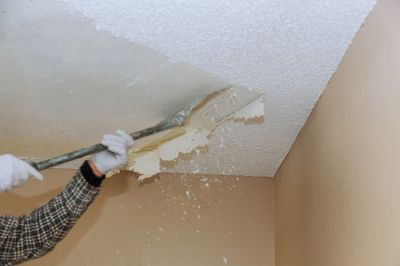
Simple add-ons that improve Popcorn Ceiling Service without blowing the budget.
Popcorn ceiling service involves the removal or maintenance of textured ceiling finishes that were popular in past decades. This process includes careful preparation, application, or removal techniques to ensure a smooth, clean surface. Proper timing improves the efficiency of the project and the longevity of the results, preventing issues such as cracking, peeling, or uneven texture. Statistics indicate that popcorn ceilings can contain asbestos if installed before the 1980s, making professional assessment and handling essential for safety.
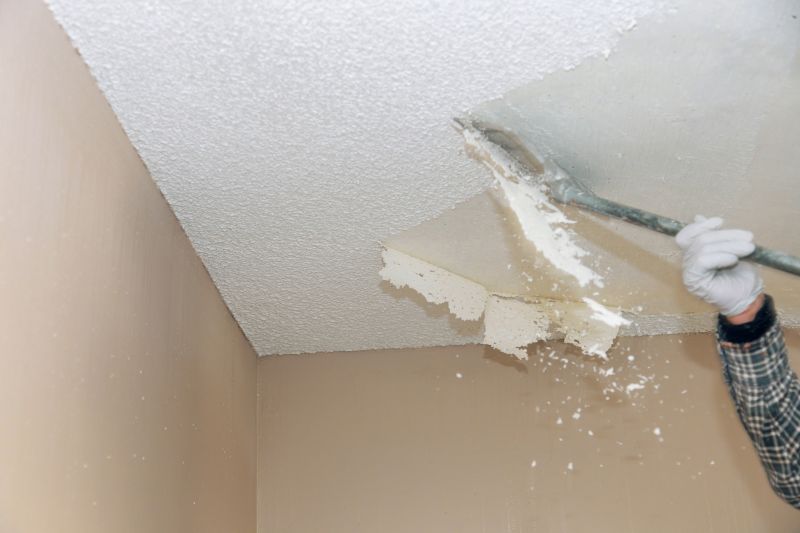
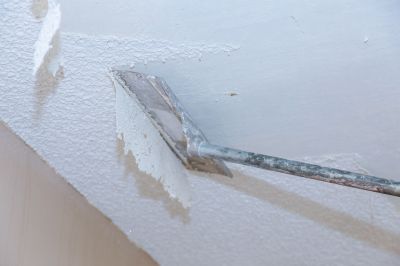
Professional removal involves careful scraping and disposal to prevent debris spread.
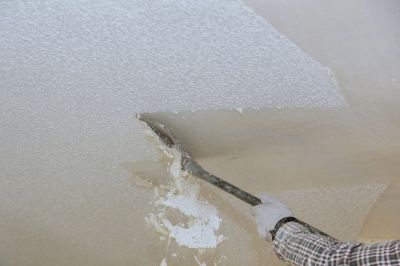
Proper cleaning and priming are necessary before applying new finishes.
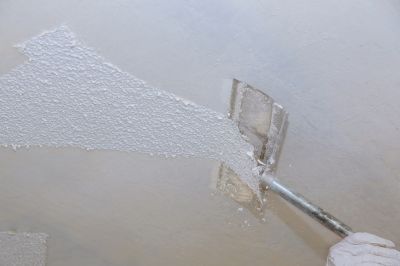
Assessing underlying issues ensures a durable and even surface.
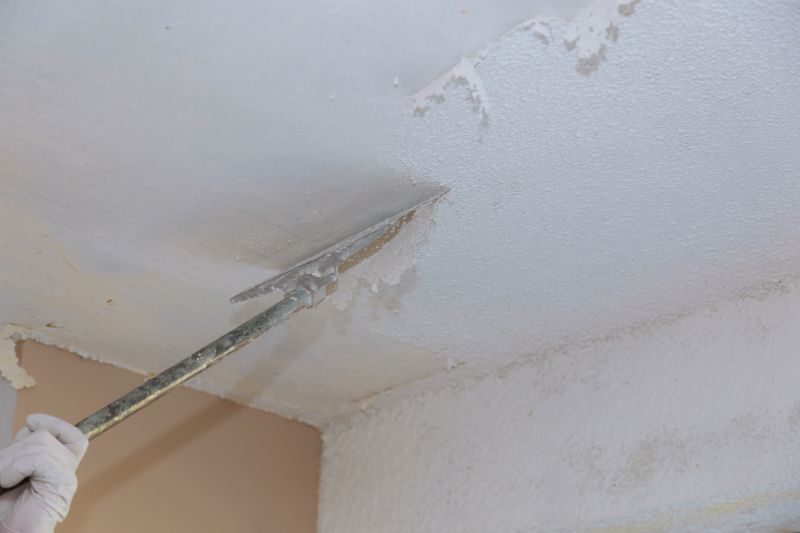
Final smoothing and painting complete the ceiling transformation.
| Aspect | Details |
|---|---|
| Best Seasons | Spring and fall |
| Weather Conditions to Avoid | High humidity, extreme cold |
| Indoor Environment | Stable temperature and humidity |
| Preparation Time | Allows for proper planning and repairs |
| Occupancy Considerations | Schedule during low occupancy periods |
| Project Duration | Depends on scope, but generally longer in adverse conditions |
| Safety Note | Assess for asbestos if ceiling was installed before 1980s |
| Impact of Timing | Affects drying, adhesion, and overall finish quality |
Choosing the appropriate time for popcorn ceiling service enhances the quality and durability of the finished surface. Proper planning and environmental considerations help prevent common issues such as cracking, peeling, or uneven texture. It is recommended to consult with professionals to determine the optimal timing based on specific project requirements and local climate conditions.
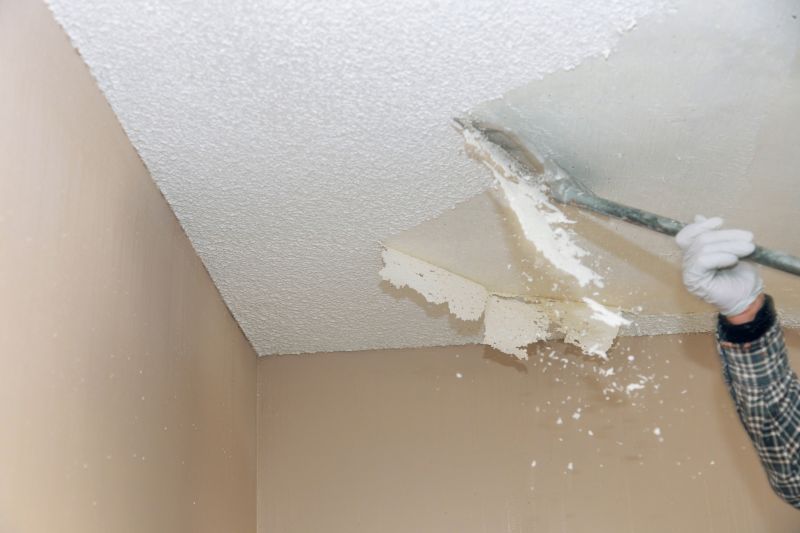
Assessing the ceiling before scheduling ensures suitability and safety.
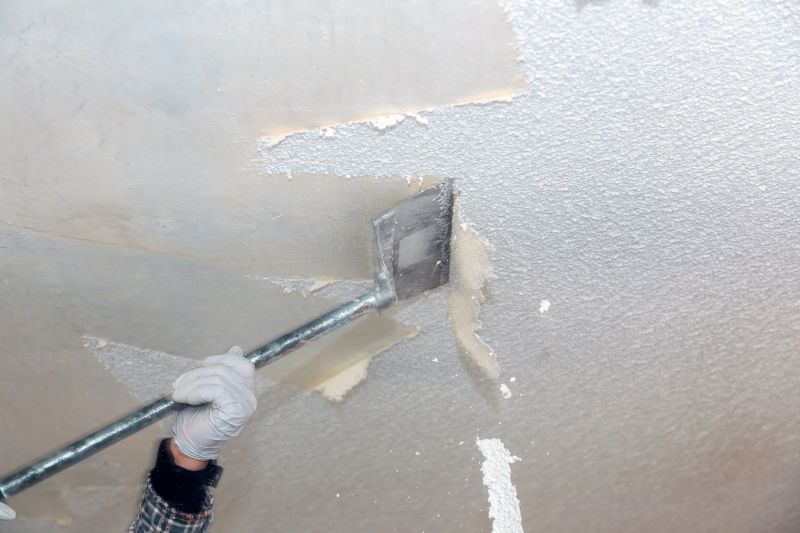
Preparing indoor conditions supports successful application or removal.
Coordination with weather forecasts can optimize project outcomes.
Interested in scheduling popcorn ceiling service? Filling out the contact form provides a convenient way to get started and receive professional guidance tailored to specific needs and timing considerations.